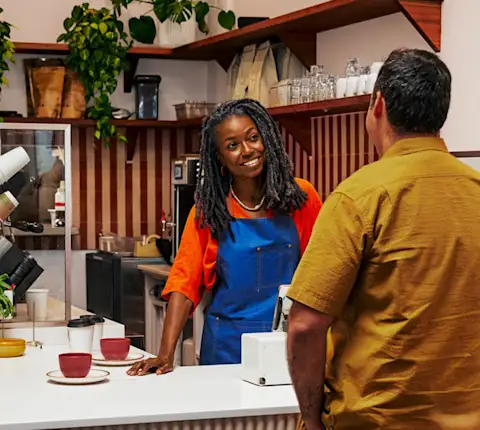
You're running the kitchen, managing staff, answering the phone, and somehow you're also supposed to be a marketing expert. Meanwhile, the restaurant down the street seems to have AI, automation, and a social media strategy that actually works. If you're not sure where to start or which tools are worth the time, you're not alone. This guide breaks down the restaurant marketing tools that matter most in 2026 and shows you how to put them to work without adding another full-time job to your plate.
Why Restaurant Marketing Tools Matter for Your Bottom Line
Restaurant marketing tools aren't just nice to have. They directly affect whether customers come back and how much they spend when they do.
According to the DoorDash Restaurant Reservations and Operations Trends Report 2026, 87% of consumers say a credit, discount, or perk influenced them to reorder. Customers who engage with a restaurant's loyalty program order 66% more frequently. The data is clear: the right tools turn one-time guests into regulars.
But most operators aren't using this data yet. The same report found that only 30% of operators target their promotions to specific customer groups or behaviors. And only 27% feel confident they know which campaigns actually drove repeat visits. That's a lot of time and money going into marketing with no clear picture of what's working.
This is exactly what the right restaurant marketing platform closes. Instead of guessing which email or promo brought someone back, a connected system gives you the answers. DoorDash Commerce Platform brings your ordering, email marketing, loyalty programs, and customer data into one place so every tool talks to every other tool. No more logging into five separate platforms just to run one campaign.
The Essential Marketing Tools Every Restaurant Should Have
AI-powered tools are everywhere right now. But before you chase the latest trend, make sure the basics are covered: a website that converts, a way to stay in touch with past customers, and a system for building repeat business. These restaurant marketing tools are the foundation everything else builds on.
Local SEO and Google Business Profile Tools
If someone searches "tacos near me" and your restaurant doesn't show up, none of your other marketing matters. Local SEO (search engine optimization, or the practice of making your business show up higher in local search results) is the starting point.
The single most important step is claiming and updating your Google Business Profile, or GBP (your restaurant's free listing that appears in Google Maps and local search results). Make sure your hours, address, phone number, menu, and photos are accurate and current. This helps you show up in the Local Pack — the map with three businesses that appears at the top of Google search results when someone searches for a restaurant nearby.
Beyond Google, make sure your restaurant information is consistent across Yelp, TripAdvisor, and any other listing sites. Search engines reward businesses that have matching details everywhere. This is called NAP consistency (name, address, phone number), and it's one of the simplest things you can do to improve your online visibility.
For a deeper look at local SEO, check out our guides on SEO for restaurants and SEO keywords for restaurants.
Restaurant Websites and Online Ordering Tools That Convert
Your website is your digital front door. If it's outdated, slow, or hard to order from, customers will leave before they place an order. Nearly 75% of restaurant traffic now happens off-premises through takeout, delivery, and drive-thru orders (National Restaurant Association). Your site needs to do more than look good — it needs to make ordering simple.
A few things matter most. Your menu should be easy to find, mobile-friendly, and up to date. Your online ordering system should let customers place an order in a few taps, not a few minutes. And your site should load fast — if it takes more than a few seconds, you'll lose impatient, hungry customers.
Whatever platform your website runs on, the goal is the same: turn visitors into orders. If you don't have a branded site yet, DoorDash Commerce Platform's Boost package includes a custom branded website built from your existing menu and photos.
DoorDash Commerce Platform includes commission-free Online Ordering that's powered by DoorDash technology and active within hours. It connects to your existing DoorDash Marketplace account, so your menu, photos, and business details carry over automatically. The built-in promotions tool sees a median return of $4 in incremental sales for every $1 spent (based on internal DoorDash data from Jan 2025 through May 2025), making it easy to test offers and see what drives orders.
How Restaurant CRM and Email Marketing Tools Build Loyalty
Email marketing remains one of the highest-ROI digital marketing channels for restaurants. And it's much more powerful when paired with a CRM (customer relationship management) tool — software that stores customer data, tracks order history, and helps you send the right message to the right person at the right time.
Think of a restaurant CRM as a smart guest book. It remembers who your customers are, what they order, and when they last visited. That means you can send a birthday offer to a regular, a win-back discount to someone who hasn't ordered in a month, or a new-menu announcement to your most active guests. This kind of personalized email marketing builds real loyalty over time.
Email marketing platforms and CRM tools range from free tiers to full-featured suites. What matters most is that your CRM connects to your ordering and loyalty data so you can automate campaigns based on actual customer behavior rather than blasting the same message to everyone.
DoorDash Commerce Platform includes automated email marketing — pre-built, branded campaigns that run automatically based on customer behavior. These automated emails boost order frequency by an average of 15% among new and returning customers (based on internal DoorDash data from March 2024 through March 2025). You set it up once, and the system handles the rest.
Review Management Tools That Protect Your Reputation
Your online reputation directly affects whether new customers choose you or scroll past. A single negative review sitting unanswered can steer away dozens of potential guests. And manually checking Google reviews, Yelp, and TripAdvisor every day eats up time you don't have.
Reputation management tools solve this by pulling all your reviews into one dashboard. Instead of visiting three or four different sites, you can see every piece of feedback in one place and respond quickly. Responding to reviews — both positive and negative — shows potential customers that you care. It also helps your local SEO, since Google considers review activity when deciding which restaurants to show in search results.
DoorDash Commerce Platform includes guest experience management — a tool that brings your reputation tools together in one place. It automatically asks happy customers to leave reviews, helps deflect negative feedback before it goes public, and uses AI-powered responses so you can reply to every review without spending hours on it.
SMS and Text Marketing for Real-Time Engagement
SMS marketing (text message marketing) is one of the most direct ways to reach customers. Texts have open rates above 90%, and most people read them within minutes. For restaurants, that makes sms marketing ideal for time-sensitive offers like a same-day lunch special, a reservation reminder, or a flash deal to fill empty tables on a slow night.
The key is segmentation — sending the right message to the right group. Regulars might get a loyalty reminder or early access to a new menu item. First-time customers might get an introductory offer to bring them back for a second visit. Blasting the same generic text to your entire list is a fast way to get people to unsubscribe.
Many point of sale and CRM systems include text messaging as part of their marketing automation features. If your POS or CRM already offers SMS, start there and keep your messages short, timely, and relevant.

Restaurant Promotions and Discounts That Drive Repeat Orders
Promotions work best when they're targeted, not blanket discounts that cut into your margins. DoorDash's data-driven promotions tools help you design, schedule, and track offers that bring customers back without guesswork.
Here are some of the promotion types available through DoorDash:
First Order, $0 Delivery Fee: Get visible in-app placement and attract new customers by covering the delivery fee on their first order from you.
First Order, % Off: Offer first-time customers 15%, 20%, or 25% off their DoorDash order.
Order Again and Save: Win back customers who haven't ordered from you in the last 45 days with a 15%, 20%, or 25% discount.
$0 Delivery Fee: Offer free or reduced delivery for orders over $15 and get featured placement in the app.
Spend $X, Get Y: Give a dollar or percentage discount to customers who meet a minimum order size to boost your average order value.
Promote Menu Items: Highlight specific dishes to new or existing customers to build interest in new releases or promote your most profitable items.
Turning on promotions is simple. Log into your Merchant Portal, go to "Run a campaign," pick the promotion you want, and track results directly.
Social Media Marketing Tools That Grow Your Audience
Social media marketing is how many restaurants stay top of mind between visits. It's not always a direct sales channel, but it keeps your brand visible and builds community around your food.
According to the DoorDash Restaurant Reservations and Operations Trends Report 2026, Instagram is the most popular social media platform for people who use social media to find new restaurants, followed by Facebook, TikTok, and YouTube. Younger guests are especially influenced by social content — Gen Z and Millennials are far more likely to trust restaurant reviews from social media influencers than older generations.
Your social media management doesn't need to be complicated. Share menu specials, repost customer photos, run polls, and show behind-the-scenes moments. The goal is consistency, not perfection. Social media scheduling tools let you batch posts in advance so you stay active even during your busiest weeks. AI-powered design and captioning tools make it faster to create professional-looking content without a graphic designer.
Make sure every post includes a clear next step for your audience — a link to your online ordering page, a reservation prompt, or a reason to visit this week. You can also link your online ordering menu directly on your Instagram or Facebook profile so customers can order straight from your social pages.
AI Visibility: Getting Found on ChatGPT and AI Search
A growing number of diners now use AI tools instead of a traditional search engine to decide where to eat. According to the DoorDash Restaurant Reservations and Operations Trends Report 2026, 22% of consumers have already used an AI tool like ChatGPT or Google Gemini to help choose a restaurant. This is a real channel, not a trend to watch from the sidelines.
The good news is that improving your AI visibility doesn't require a new set of tools. The same report found that operators are already improving how they show up in AI search results by updating menu information (39%), managing reviews (34%), and improving photo quality (32%). In other words, the basics covered in this article — accurate business listings, active review management, and high-quality photos — double as AI visibility levers.
This connects directly to reputation management: reviews aren't just for human readers anymore. AI tools pull from review sites and listing platforms like DoorDash when generating restaurant recommendations. A strong online presence on Google, Yelp, and delivery platforms helps you show up whether someone searches on Google, asks ChatGPT, or scrolls through a delivery app.
Loyalty and Rewards Programs That Keep Customers Coming Back
Getting new customers costs more than keeping the ones you already have. That's why loyalty programs are one of the most valuable restaurant marketing tools you can invest in. Even a small improvement in customer retention can have a significant impact on your bottom line.
According to the DoorDash Restaurant Reservations and Operations Trends Report 2026, 90% of consumers say they'd use a loyalty program that works across both reservations and delivery. But only 66% of operators currently offer one. That gap is an opportunity: restaurants that make loyalty easy across every channel will win repeat business from the majority of customers who want it.
There are many ways to build a loyalty program — from in-store punch cards to points-based systems where customers earn rewards on every order. You could offer $5 off a future order, a "buy 9, get 1 free" deal, or let customers redeem points for a free meal.
Cross-Channel Loyalty from DoorDash Commerce Platform is the only loyalty program that lets customers earn and redeem rewards across all channels — online, in-app, in-store, and on DoorDash. Whether a guest orders delivery through the app, picks up through your website, or dines in at your restaurant, their points follow them everywhere. This removes the friction that makes most loyalty programs fall flat.
For more on building a retention strategy, read our guide on customer retention strategies for restaurants.
AI and Automation Tools That Save You Time
Marketing automation is the difference between spending ten hours a week on marketing and spending two. The idea is simple: automate campaigns and routine tasks so you can focus on running your restaurant.
Start with the tools already in your DoorDash account. The DoorDash item description generator and AI-powered camera create instant menu descriptions and polished food photography without a professional writer or photographer. These AI tools handle the busywork so you can focus on the food.
Beyond DoorDash, AI writing assistants can help you draft social media captions, email subject lines, and promotional copy in minutes. Use them for ideas: ask for fall menu hooks, a caption for tonight's special, or three ways to fill Tuesday's slump. Then line up your promotions around real moments — long weekends, game nights, slower weeks — using your automation tools or DoorDash's Promotions Manager.
The goal isn't to automate everything. It's to automate campaigns and repetitive tasks so you have more time for what only you can do — creating great food and taking care of your guests.
Using Restaurant Analytics Tools to Measure What Works
Marketing without measurement is guessing. Restaurant analytics tools help you see which campaigns drive orders and which ones waste money.
Here's what to track:
Repeat order rate: What percentage of your customers order again within 30, 60, or 90 days? A healthy rate for restaurants with active marketing is 20–30%. If yours is below 15%, your retention tools need attention.
Campaign open and click rates: For email marketing, an open rate above 20% and a click rate above 2% are solid benchmarks. If you're below these, test your subject lines and send times.
Promotion ROI: For every dollar you spend on a promotion, how many dollars come back in sales? Track this for each offer type to find which ones drive real revenue.
Review volume and sentiment: Are you generating more reviews this month than last? Is the average rating going up or down? Both matter for reputation management and local SEO.
With DoorDash Commerce Platform, you can view your direct ordering analytics in the Merchant Portal — the same place you track your DoorDash Marketplace sales. Having all your data in one view makes it easier to compare channels and see the full picture.
Use these numbers to test, learn, and adjust. The more you measure, the faster you grow.

Turn Insights Into More Restaurant Sales
You're already reaching customers through DoorDash Marketplace. DoorDash Commerce Platform gives you the tools to turn those customers into regulars you know by name. Your branded website, automated email marketing, Cross-Channel Loyalty, guest experience management, and analytics — all in one connected system, all synced with your Marketplace account.
Instead of juggling disconnected tools and wondering which campaign actually worked, you get a single restaurant marketing platform where everything talks to everything else. The customers you reach on DoorDash Marketplace become the loyalty members, email subscribers, and repeat orderers who drive your business forward.